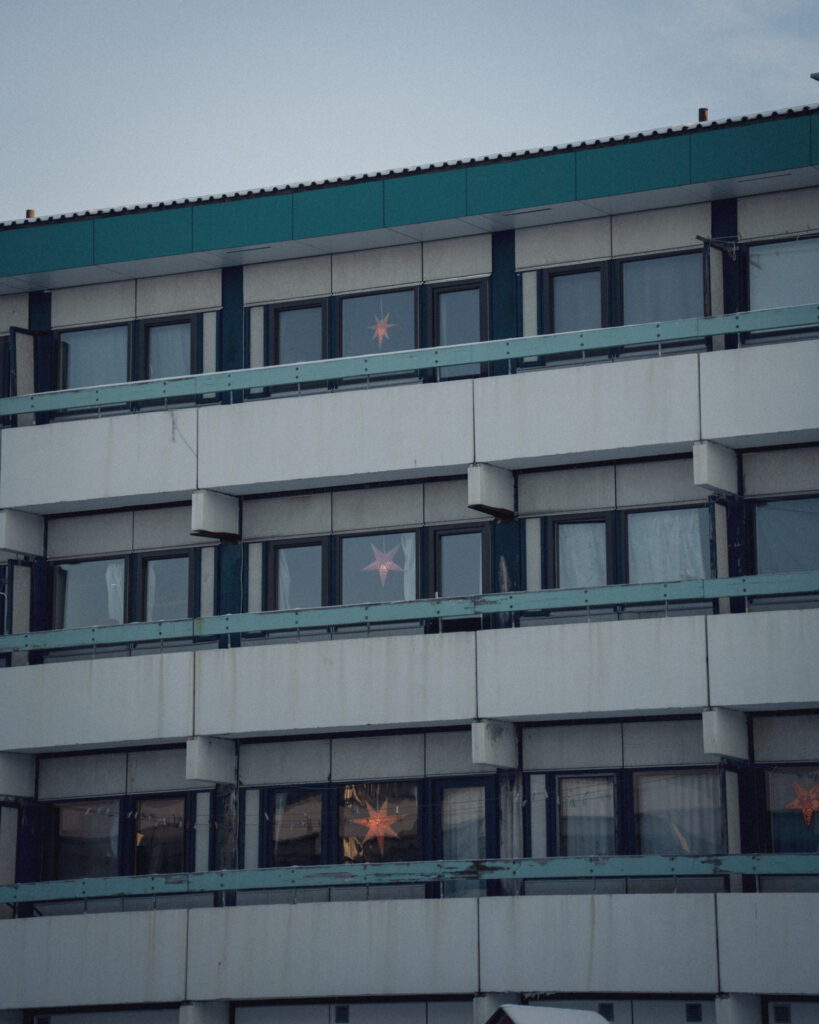
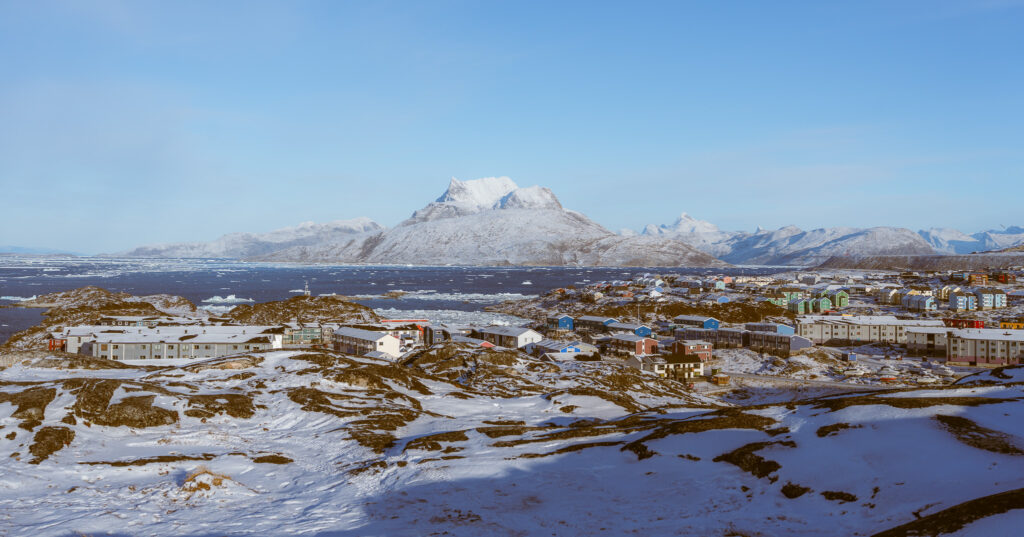
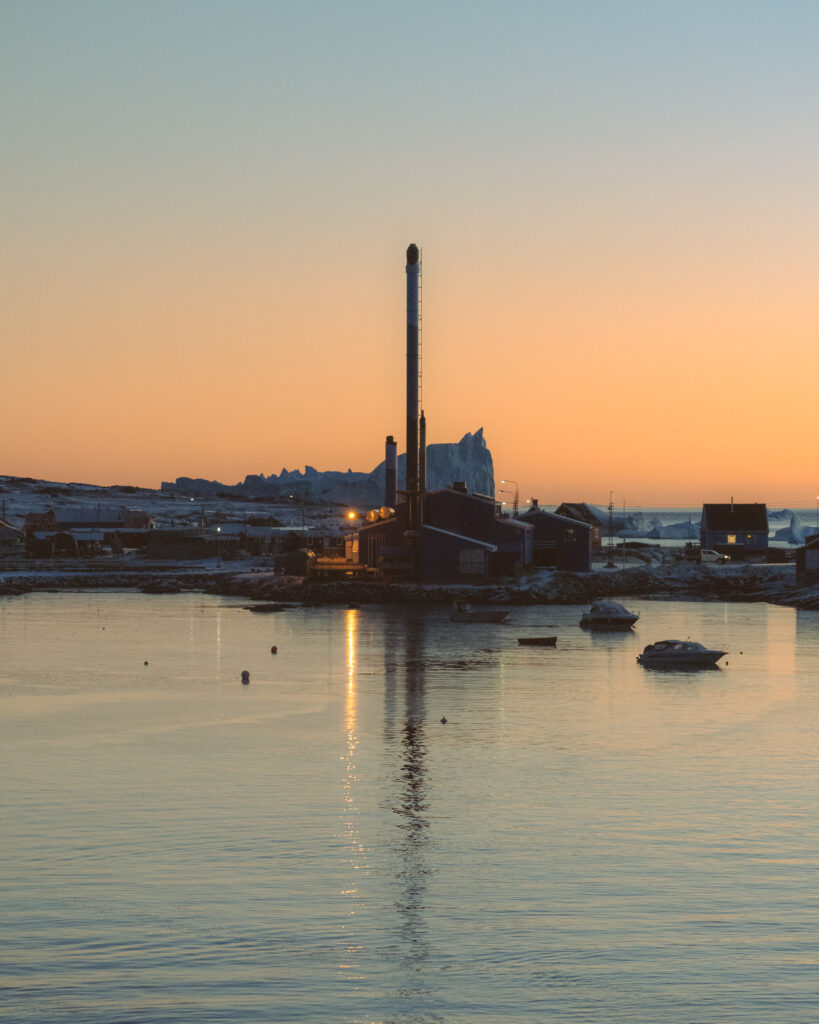
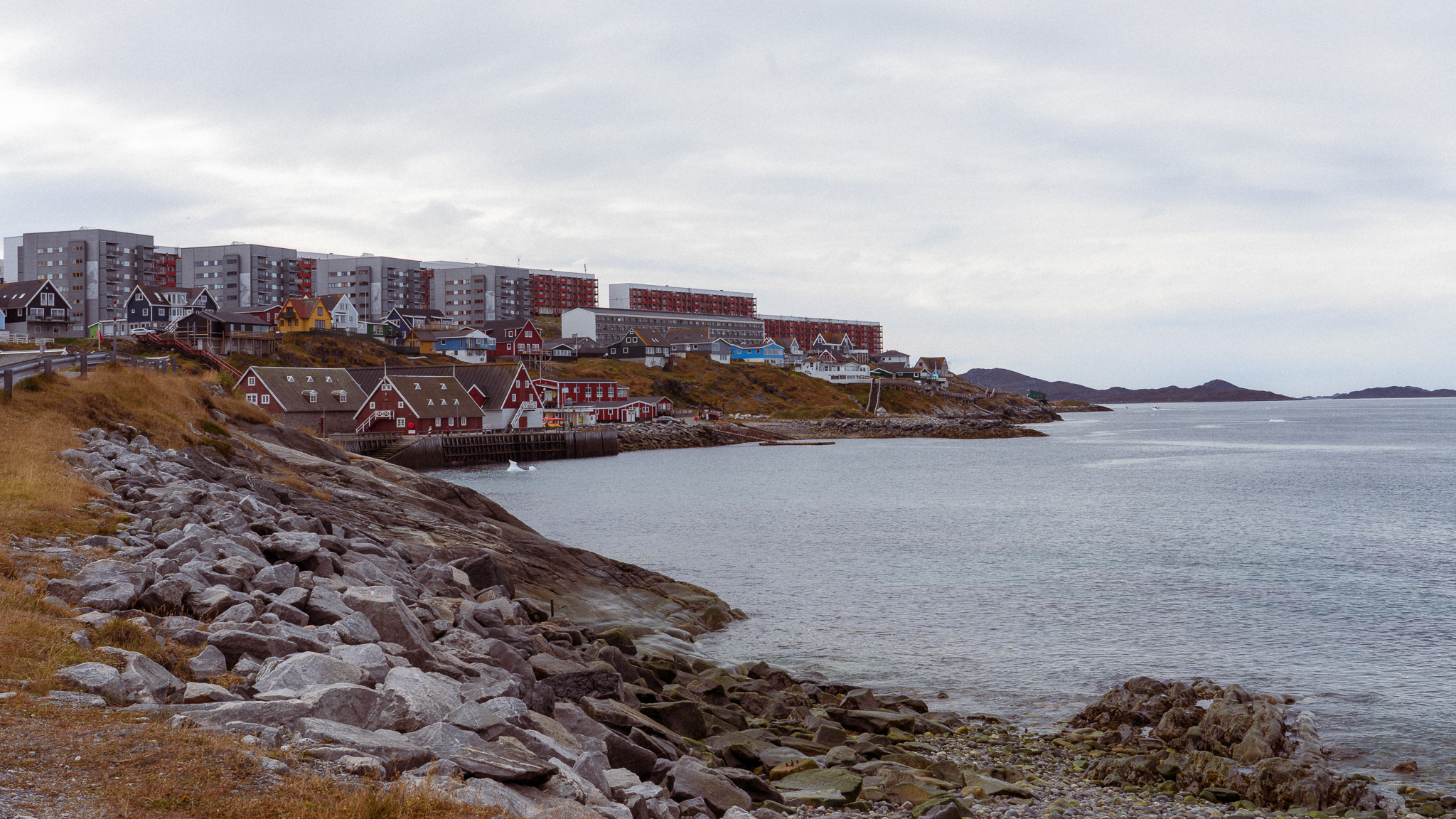
The snow has settled like a quiet blanket over Nuuk, and the darkness of winter has slowly but inexorably claimed the daylight hours. The sun struggles to rise above the mountains – a battle it loses a little more with each passing day. Yet even here, light finds its way. At the beginning of the year’s final month, the Christmas spirit has arrived. Fairy lights on balconies and the traditional Advent stars glowing in windows illuminate the streets, while the snow reflects their warm radiance.
My teaching at Ilisimatusarfik has come to an end, and only the exams remain. With the comfort of Christmas and familiar traditions drawing closer, I have allowed myself a moment of reflection – to consider what truly matters, what one relinquishes, and what one gains. Thus, I have changed my original plan of spending Christmas and New Year in Greenland. As Bing Crosby sings in Kim Gannon and Walter Kent’s 1943 classic: “I’ll Be Home for Christmas.”
The decision to return home feels right, though exchanging the nature, landscape, and daily rhythm here for what I left behind will undoubtedly feel strange. Greenland has left its mark – but that reflection is reserved for another time.
Time That Slipped Away
Before I turn to the larger perspectives, I must pause and acknowledge how swiftly time has passed. In my September blog post, “Between Adventure and Everyday Life,” I described how the routines had begun to settle. Now it is the 5th of December, and more than a month has elapsed since my last entry – a near cardinal sin in the blogosphere, where “consistency” is a central virtue. One must remain visible, continually thinking ahead to the next post.
Yet I prefer, for a moment, to look back. For if one insight stands out from my reflections here in Greenland, it is this: a renewed understanding of time.
A More Circular Understanding of Time
Before travelling north, I often listened to the audiobook of Jens Wendel-Hansen’s Grønlands Amt during my runs around Østerbro. One idea in particular stayed with me: the notion of time. The book highlights how Greenland – like other societies closely tied to nature – often embraces a more circular sense of time, as opposed to Europe’s linear conception. Not everything revolves around the future, growth, and the next milestone. Instead, one asks: What do today’s conditions allow? And should the plan fail, tomorrow presents another opportunity. This does not mean that ambitions or development cease to exist, but rather that they take on a different shape.
I have come to realise – as I have during past travels to New Orleans, where the pace is also distinctly different – that this approach holds lessons we in Denmark could benefit from: namely, the acceptance that we are not in control. We cannot command the weather, nor can we determine every outcome, no matter how hard we try.
Sign Up For News Letter
Everyday Life in Nuuk
Every day life has naturally filled most of my time, which makes the prospect of returning home somewhat of an upheaval. Unlike many of my earlier journeys abroad, this stay has been defined by a structured routine: lectures, reading, assignments, and my ongoing work with Kulturform. Added to this were Thursday quiz nights at Daddy’s Pub and the occasional game of billiards – small rituals that quickly became welcome pauses in the week.
A more unexpected, but deeply cherished, part of my routine was the opportunity to hike in the mountains or go fishing. Quite a few kilometres were covered, and several cod caught – once I had reacquainted myself with the craft.
Northbound: The Journey to Ilulissat
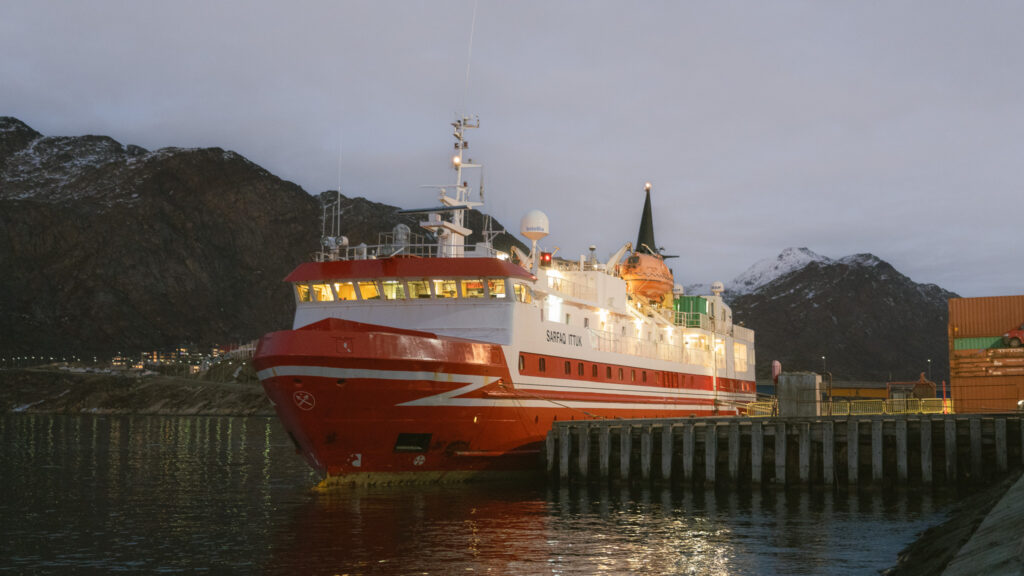
To break the routine, I travelled to Ilulissat on Friday, 14 November with Arctic Umiaq Line. The voyage begins at 20:00 in Nuuk and ends on Sunday at 15:30 after six stops along the way.
There is no denying that the ship needs modernisation. The route itself is, unfortunately, under debate due to the increasing number of flight connections. Yet here again, the question of time presents itself: Why must everything always be as fast as possible? There was something both enriching and calming in allowing the journey to be part of the experience – despite the occasional challenges posed by the less seafaring passengers aboard.
I had opted for full catering: two breakfasts, two lunches, and one dinner. Breakfast resembled a pared-down version of what one might find at a CabInn hotel, but lunch and dinner – including a perfectly respectable goulash – were entirely satisfactory.
Life aboard unfolded quietly. I read, walked the deck, and gazed out over the shifting landscape. The sky remained clear almost throughout, offering breathtaking sunrises reflecting off the snow-covered mountain peaks. Upon arrival in Ilulissat, two humpback whales greeted us near the shore, prompting nearly every passenger to hurry onto the deck.
In town, I had rented a small house. The following days were spent writing a university assignment, exploring the area, and attempting to interview Kulturform – an interview that, regrettably, fell through.
A City of Dogs and Howlin'
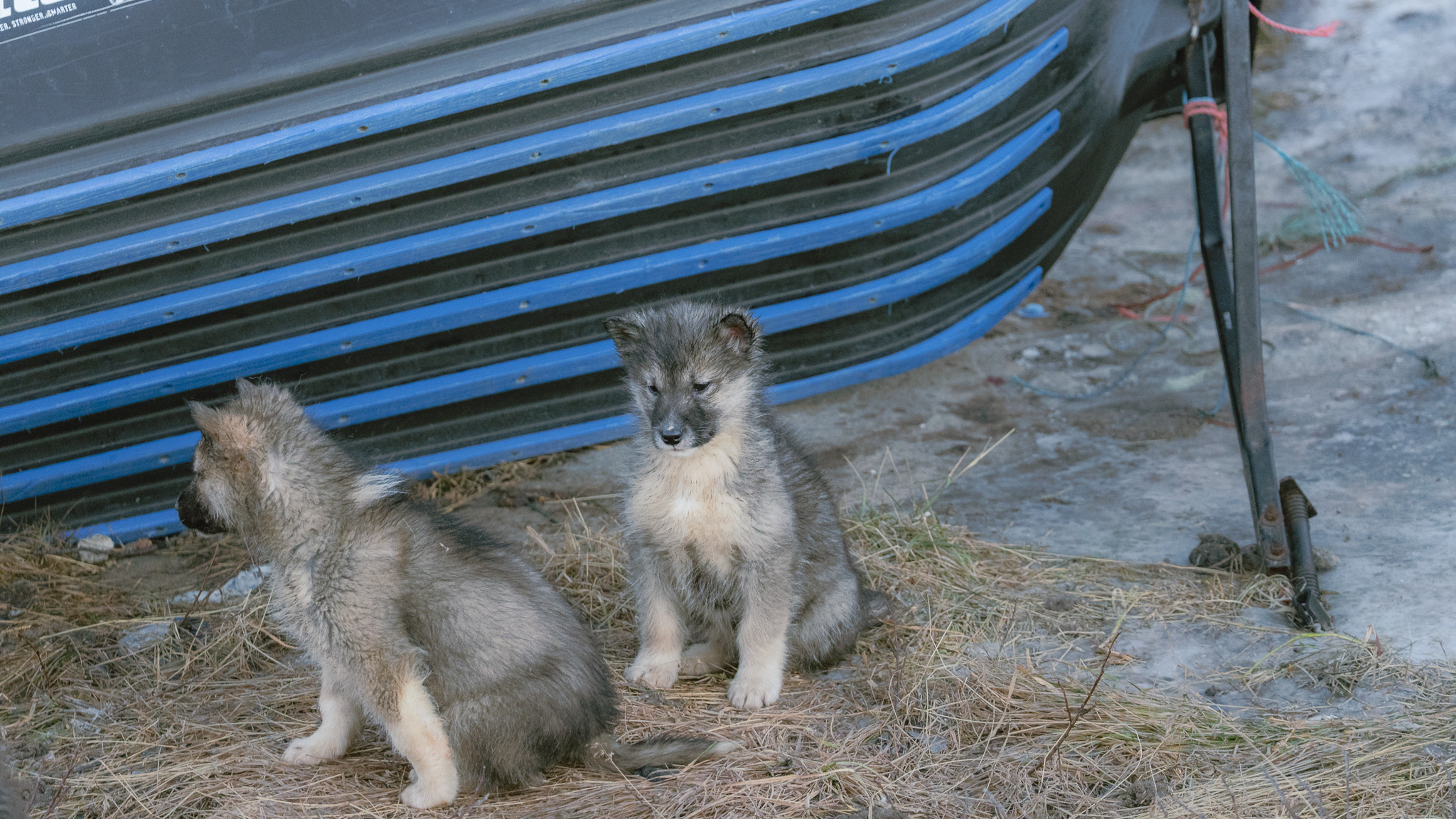
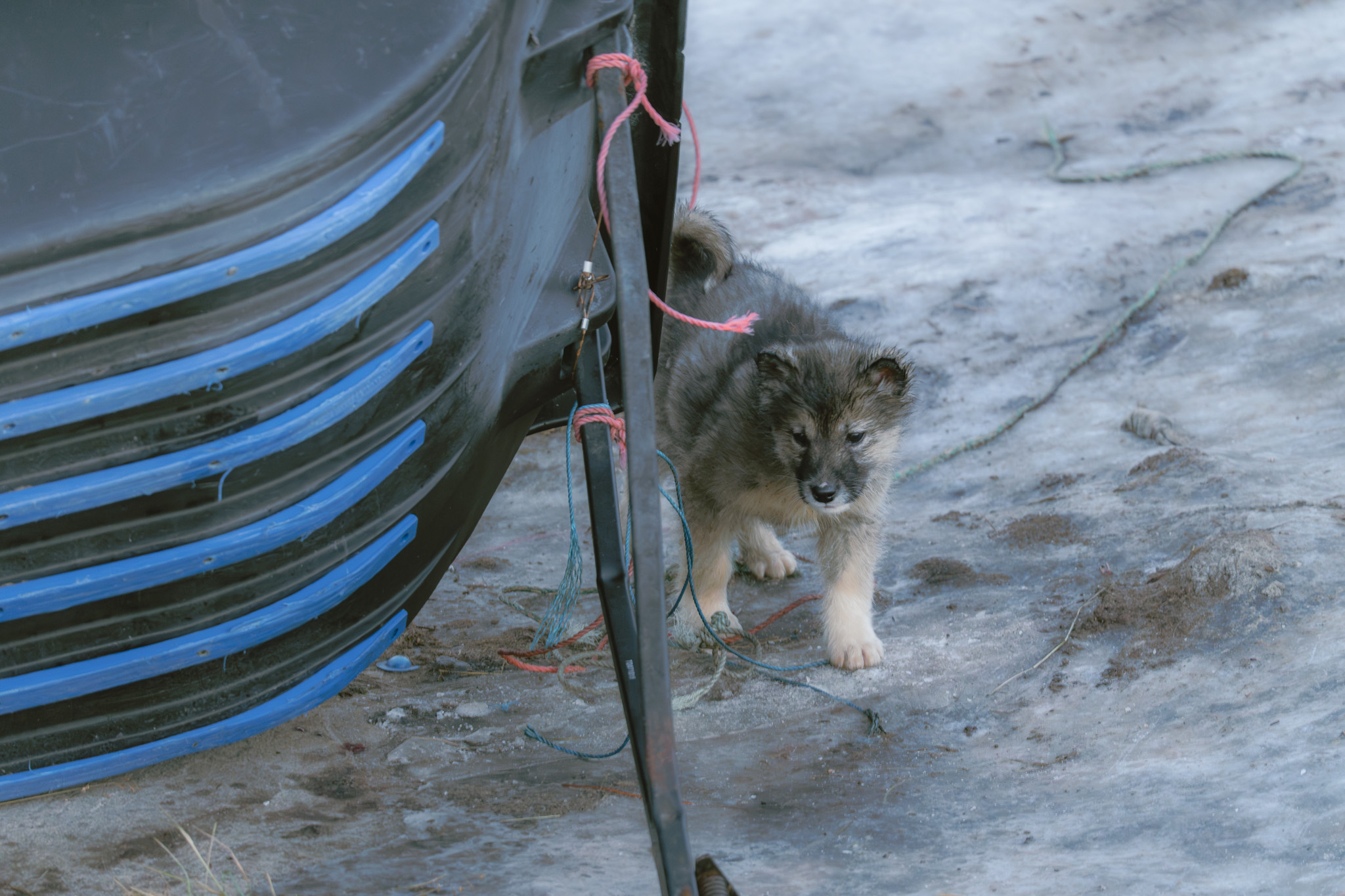
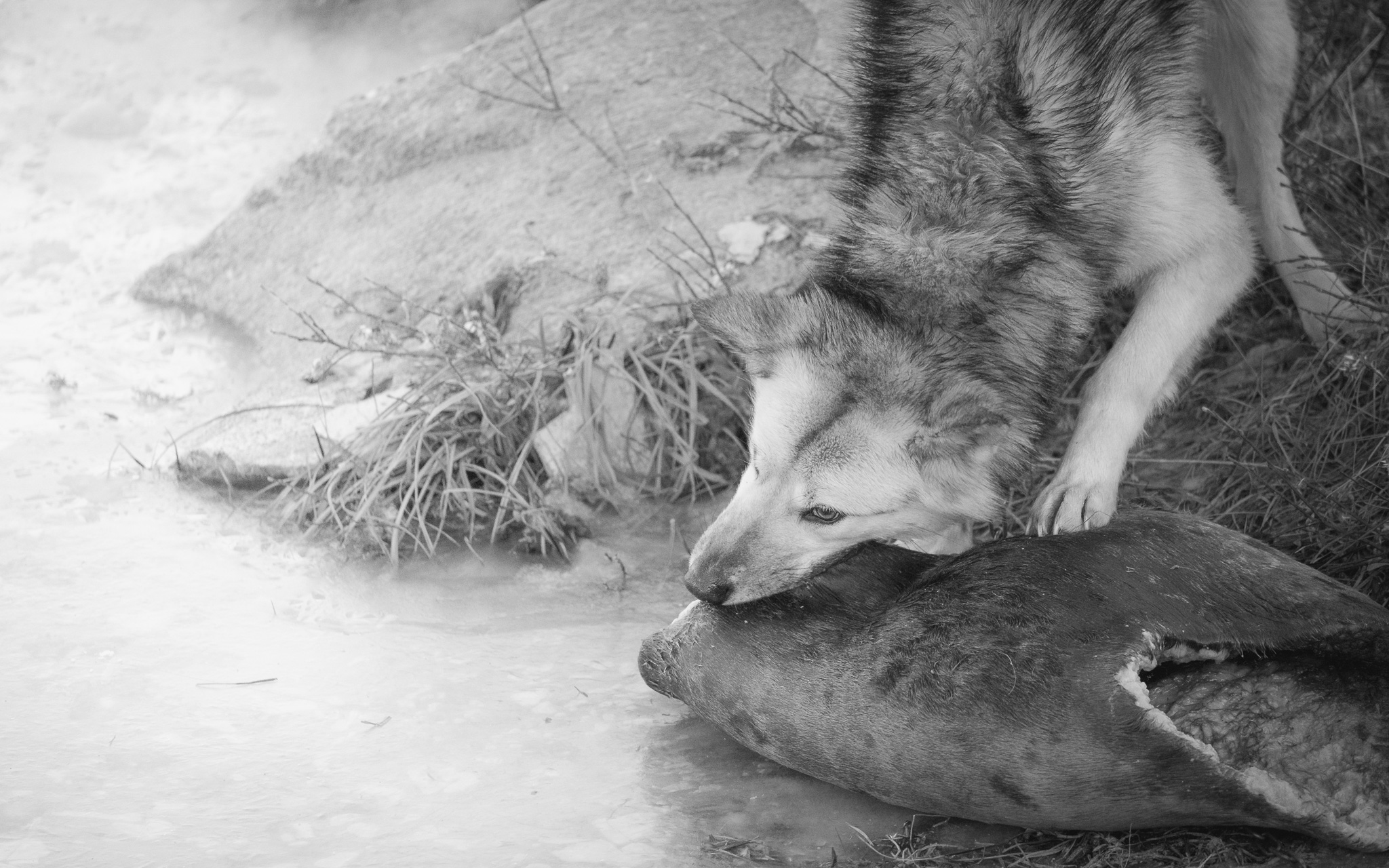
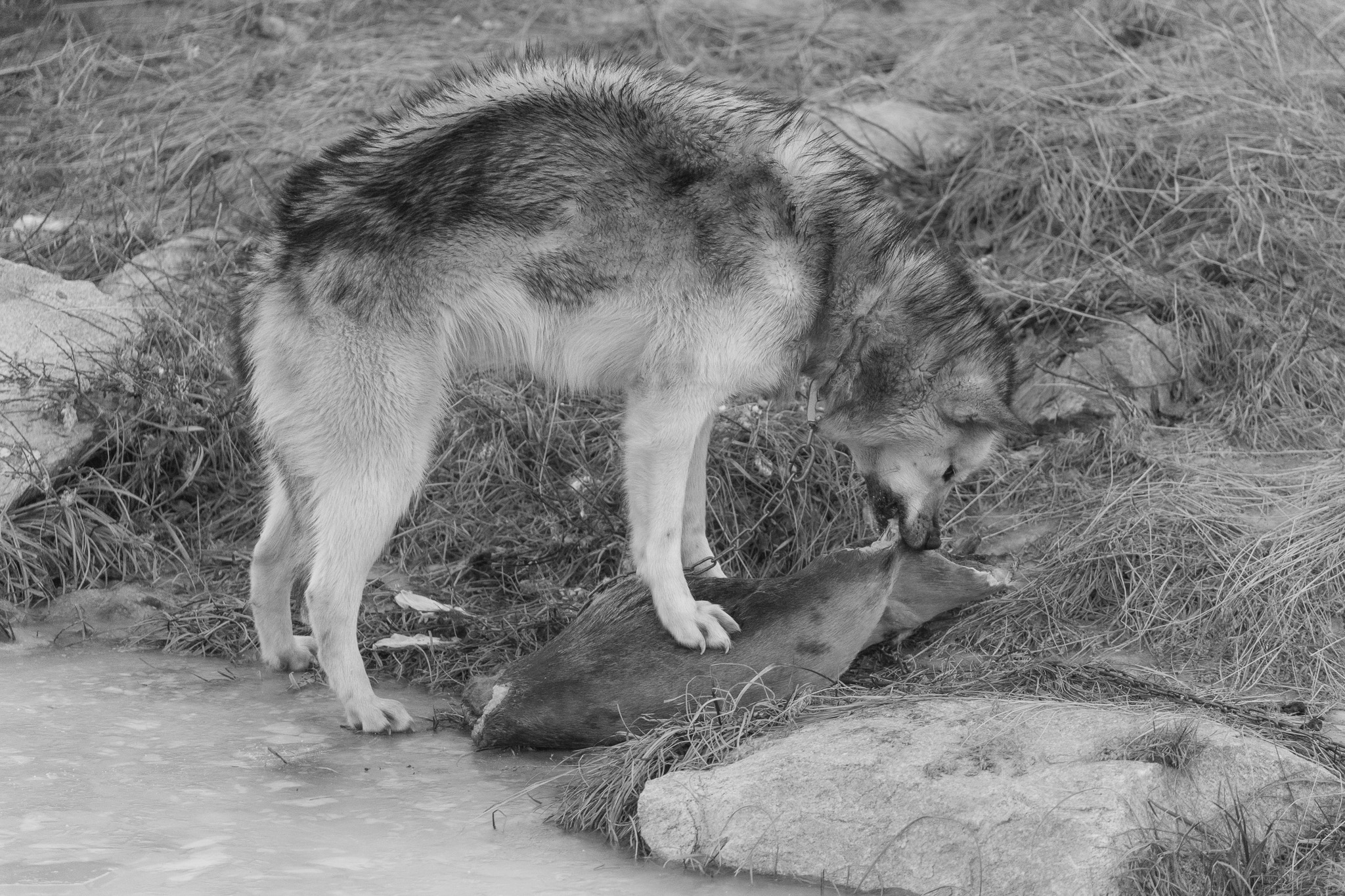
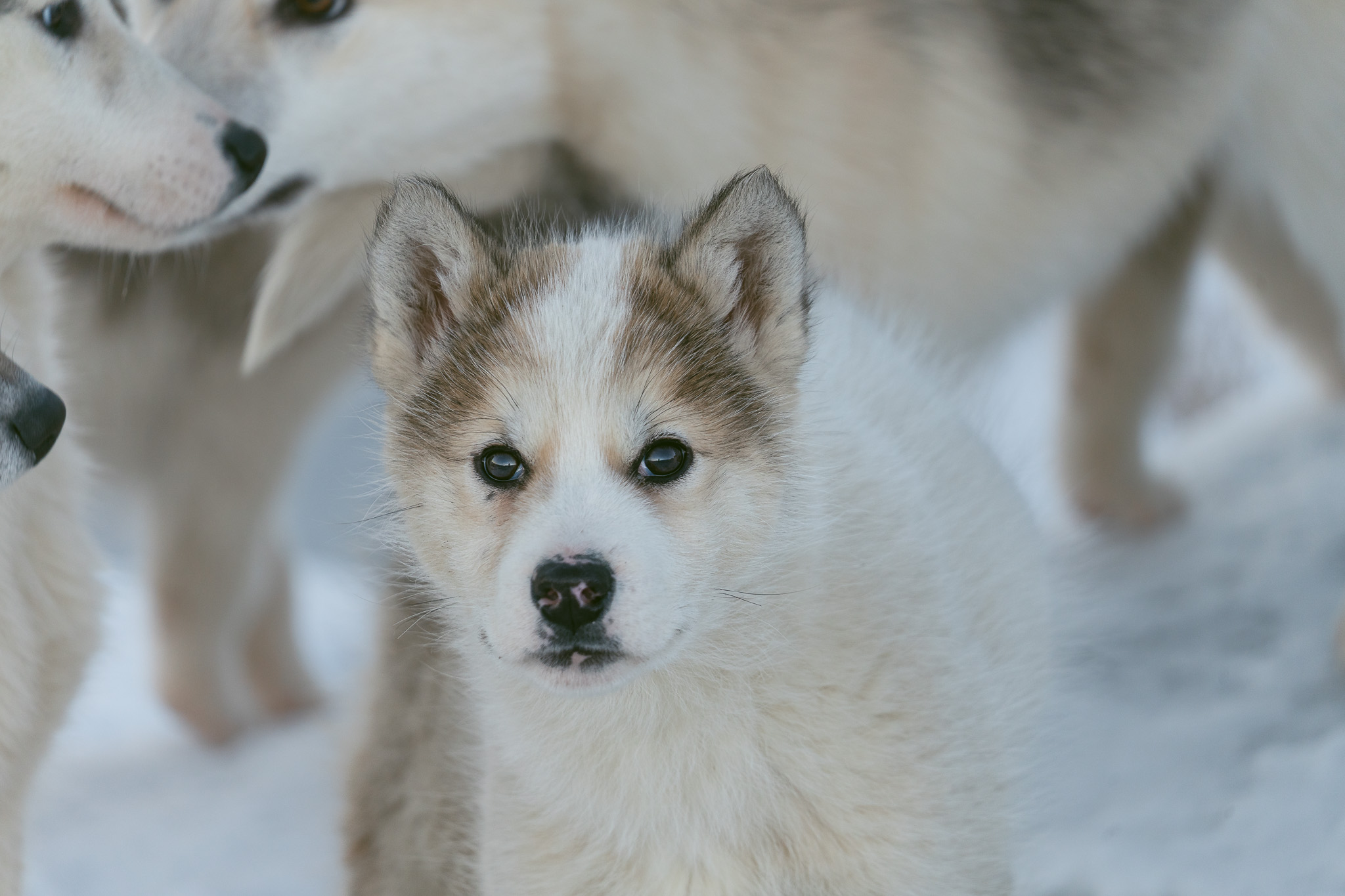
Ilulissat is known as one of Greenland’s sled dog capitals, and one quickly understands why. Roughly 3,000 dogs live alongside the town’s 5,000 inhabitants. Wherever one goes, there is either the inquisitive gaze of puppies or the almost perpetual howling of the dogs. It is part of the town’s rhythm and one of those impressions that linger long after leaving.
Soon Bound for Home
As mentioned earlier, my journey home is fast approaching. On 17 December, I will be back in Copenhagen, though I will still be in contact with the university, as two of my three exams remain. The first went as hoped, and I now look forward to completing the remaining ones so that I may begin focusing on the upcoming bachelor’s project.
Thank you for reading once again. I promise that more reflections will follow – both from my time in Greenland and from the many thoughts this stay has sparked.